My plants
*growing right now*
*growing right now*

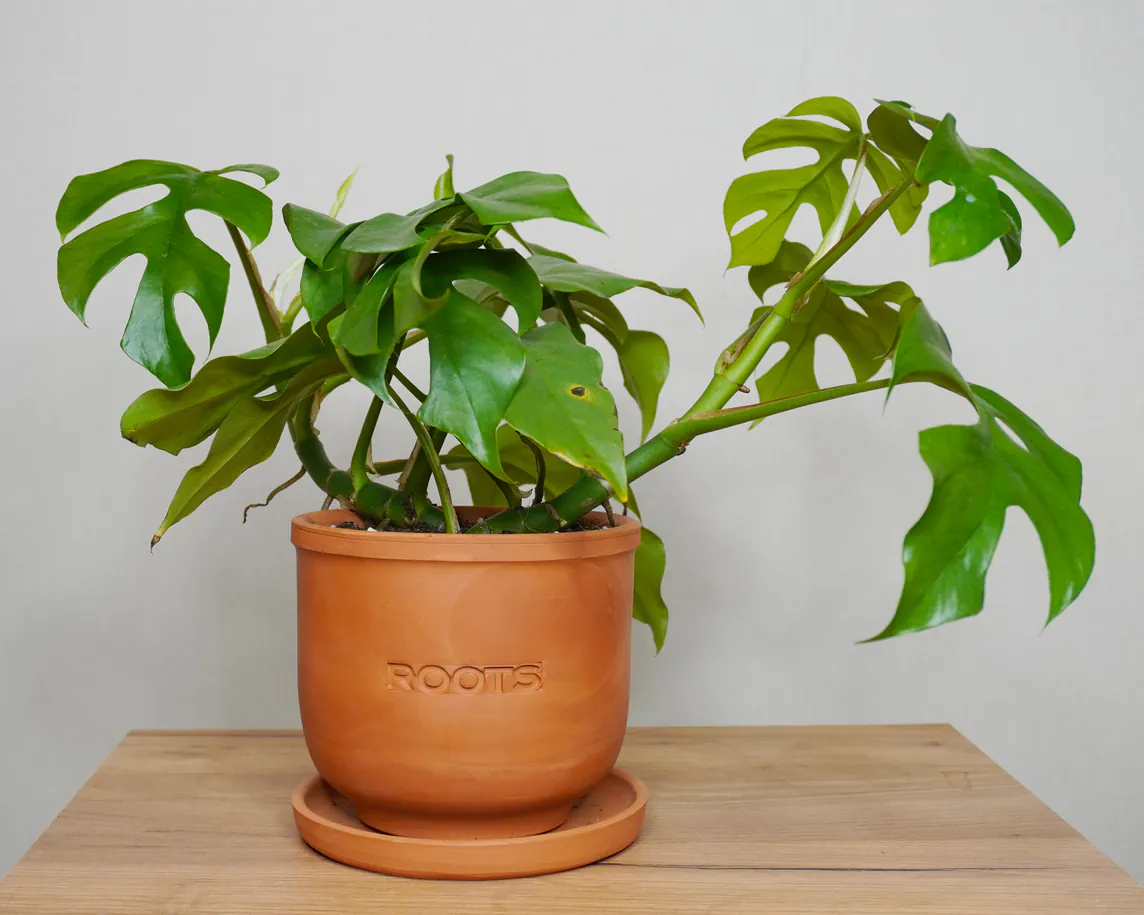
It occurs mainly in undisturbed forests in the lower three m of the forest, growing over shrubs and small trees in heavily shaded and humid conditions.
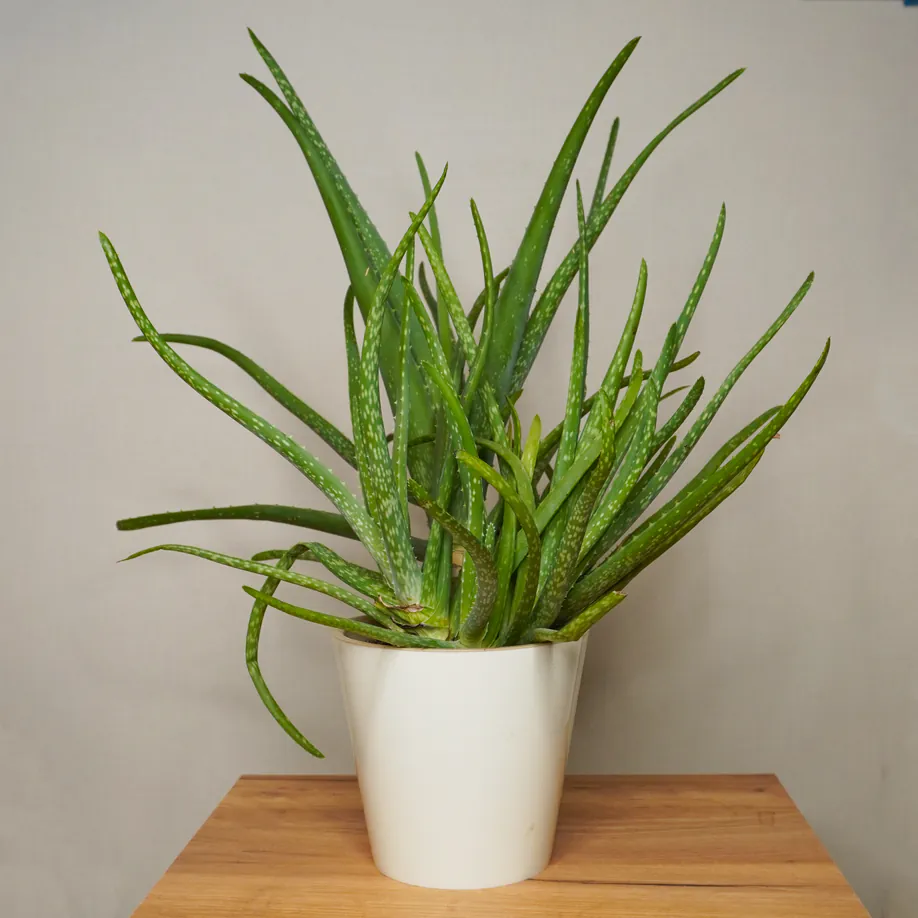
Aloe vera is well known for its succulent leaves. The colourless jelly-like leaf parenchyma tissue is used in an extraordinary array of everyday products, from dishwashing liquid to yoghurt. The species is widely cultivated and, along with other members of the genus Aloe, is also the subject of intense scientific study with regard to the many claimed therapeutic properties.
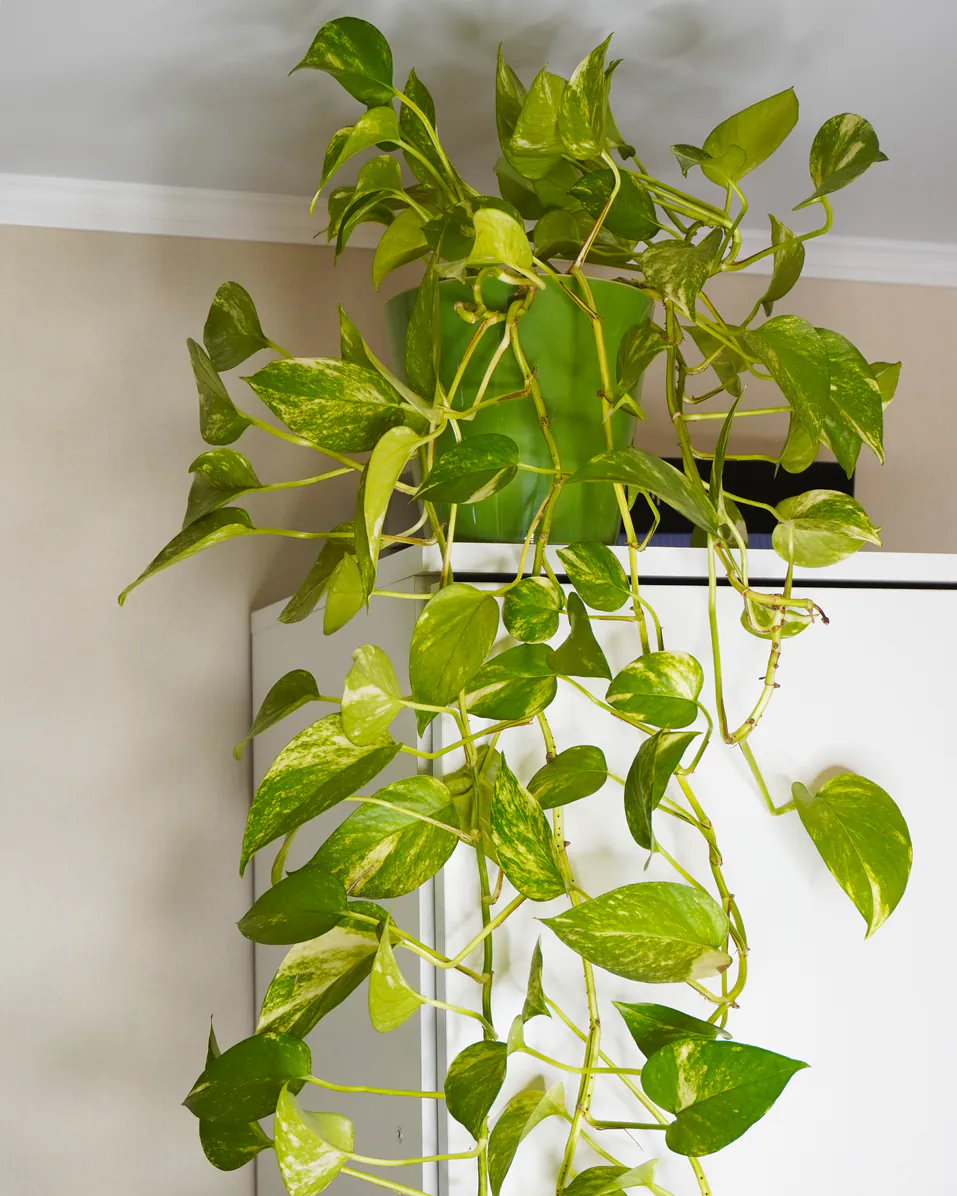
Wet hill forest. ca 500 m asl.
Deciduous herb to 0.5 m tall. Subterranean stem a subglobose tuber, to 6 cm across × 4 cm high, tan outside, white inside. Pseudostem 10–17 × 1 cm, green, carmine or purple. Seeds unknown. Leaf solitary; cataphylls 2–10 cm long, pale carmine; petiole 15–35 × ca 1 cm, dark pink, sometimes with darker stripes; leaf blade trifoliolate; leaflets elliptic-ovate, 20–30 × 10–14 cm.
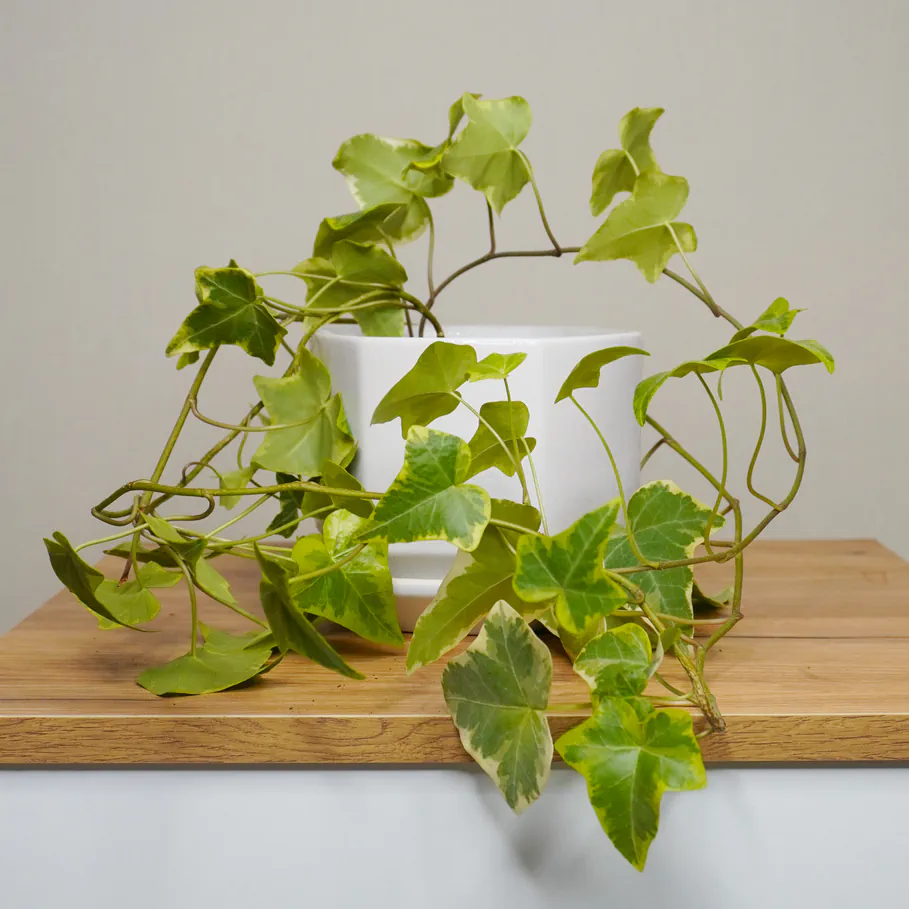
Common ivy is a popular ornamental, valued for its ability to thrive in shady places, provide excellent groundcover and cover unsightly walls, sheds and tree stumps. Many cultivars are available, including variegated forms that can be used to brighten shady depths of winter gardens.
Biogeografic region: Andean. Elevation range: 1500–2500 m a.s.l. Cultivated in Colombia. Colombian departments: Antioquia, Bogotá DC.
Herb.
Habitat according IUCN Habitats Classification: shrubland, wetlands (inland), artificial - terrestrial.